


Traveling alone can be one of the most liberating experiences. It allows you to explore at your own pace and truly immerse yourself in the moment. One of the greatest joys of solo travel is capturing the memories through stunning photos. Here are some essential tips for capturing breathtaking images during your solo adventures.
Choose the Right Gear
Your choice of photography gear can make a big difference in the quality of your photos. While you might feel tempted to carry a professional camera, consider the following:
- Smartphone: Today’s smartphones have impressive cameras that can take great photos. They are lightweight and convenient, making them ideal for solo travelers.
- Compact Camera: If you’re looking for enhanced quality without the bulk, a compact camera is a great alternative.
- DSLR or Mirrorless: For those who prioritize photography, a DSLR or mirrorless camera can help you capture stunning shots, but be prepared for the extra weight.
Click Image for Detail


Plan Your Shots
Before you set out for the day, take a moment to think about the photos you want to capture. Research your destination online and consider the following:
- Find popular spots that are photogenic.
- Check local sunrise and sunset times for the best lighting.
- Look for unique angles or compositions that set your shots apart.
Make Use of Natural Light
Lighting plays a crucial role in photography. Here are some tips for using natural light effectively:
- Golden Hour: The hour after sunrise and before sunset is known as the golden hour. This is when the light is soft and warm, perfect for stunning photos.
- Avoid Harsh Midday Light: If you’re out during the day, try to avoid shooting in the harsh midday sun. Look for shaded areas or wait until the light softens.
Get Creative with Composition
Don’t just focus on the subject of your photos; consider the composition too. Here are some techniques:
- Rule of Thirds: Imagine your image divided into three equal parts. Place your subject along these lines or their intersections for a balanced composition.
- Leading Lines: Use natural lines in your environment to draw the eye toward your main subject, such as roads, rivers, or pathways.
- Fill the Frame: Getting close to your subject can create a more impactful photo. Don’t hesitate to fill the frame with your subject.
Experiment with Perspectives
One of the perks of traveling alone is that you can take your time and experiment. Play around with different angles:
- Try shooting from below to create a dramatic effect.
- Capture the scene from above, possibly by climbing a nearby hill or using a drone.
- Get candid shots of locals or scenes that tell a story.
Include Yourself in the Photos
Don’t forget to document yourself on your travels! Here are some ideas:
- Self-Timer: Most smartphones and cameras have self-timer options. Set it up and pose!
- Tripod: A small tripod can help you take stable photos of yourself in beautiful locations.
- Travel Companions: If you meet fellow travelers, ask them to take a photo of you.
Post-Processing Magic
Edit your photos to enhance their beauty. Consider using apps or software that allow you to:
- Adjust brightness and contrast.
- Crop for better composition.
- Apply filters, but be cautious not to overdo it.
Share Your Adventure
Share your stunning photos! Whether you post on social media or create physical albums, showcasing your journey adds to the enjoyment of solo travel. Engaging with others about your experiences can also inspire them to embark on their adventures.
Remember, taking stunning photos is a combination of the right gear, thoughtful planning, and a little creativity. Enjoy capturing the beautiful moments of your solo trip as they unfold, and you’ll have memories that last a lifetime.
The Best Camera Gear for Solo Travelers
Traveling solo presents unique opportunities for exploration and photography. However, having the right camera gear can significantly elevate your solo travel experience. Here’s a guide to the best camera equipment that you can take along for stunning snapshots and memories.
Compact Cameras
When you’re on your own, lightweight and compact gear becomes essential. Compact cameras are excellent for travelers who want quality images without the hassle of heavy equipment. Here are some top picks:
- Canon PowerShot G7 X Mark III: Known for its versatility, it features a fast lens and great low-light performance.
- Sony RX100 VII: This camera is perfect for those wanting high-quality images in a small package. It offers a fast autofocus system and excellent video capabilities.
Click Image for Detail
Mirrorless Cameras
If you’re looking for great image quality and interchangeable lenses, consider a mirrorless camera. They are lighter than traditional DSLRs and provide similar photographic capabilities. Some recommended models include:
- Fujifilm X-T30: This camera is user-friendly, lightweight, and captures vibrant colors.
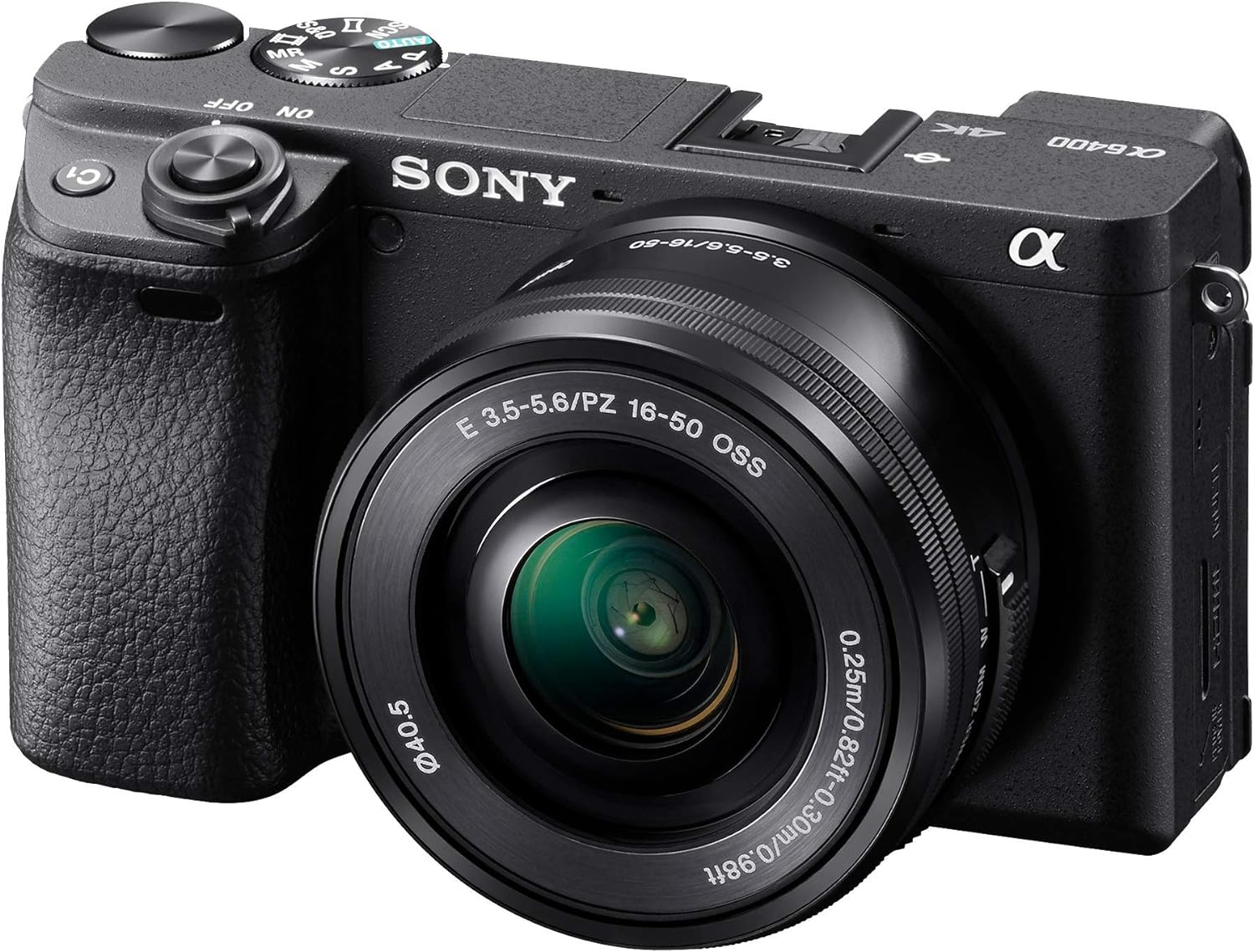
- Sony A6400: Known for its excellent autofocus system, it’s great for capturing moments quickly.

Lenses for Versatility
When you choose mirrorless cameras, the lens you use can affect your shots dramatically. Here’s a list of must-have lenses:
| Lens Type | Description |
|---|---|
| Wide-Angle Lens | Perfect for landscapes or architecture photography, capturing stunning scenery. |
| Prime Lens (50mm) | Great for portraits and low-light conditions. Offers a wide aperture for beautiful bokeh. |
| Telephoto Lens | Ideal for wildlife photography or distant subjects. Helps you get close-ups from afar. |
Accessories to Enhance Your Shots
While your camera captures the moment, accessories can enhance your photography game. Here’s what you should carry:
- Tripod: A lightweight tripod can stabilize your camera for long exposure shots, especially in low-light conditions.
- Extra Batteries: You don’t want to run out of juice during your travels. Always pack at least one extra battery.
- Memory Cards: Have several high-capacity memory cards available to store all the amazing photos you’ll take.
- ND Filters: Neutral density filters help reduce light intake, allowing for longer exposures in bright conditions.


Smartphone Photography
Your smartphone can also be a powerful tool for photography. Modern smartphones have advanced cameras that can produce fantastic images. Here are some tips to maximize your smartphone photography:
- Use Editing Apps: Enhance your images using apps like Snapseed or Lightroom.
- Explore Different Angles: Don’t hesitate to get creative with angles and perspectives.
Staying Organized
When you’re traveling solo, staying organized is crucial. Use a camera bag that provides easy access to your gear while keeping everything secure. Consider a backpack style or a messenger bag designed for photographers. This way, you can move freely while maintaining quick access to your equipment.
Your photography experience should be enjoyable and stress-free, especially during solo trips. By equipping yourself with the right gear, from a compact camera to essential accessories, you can capture breathtaking moments that tell the story of your travels. Take this advice on your next adventure, and you’re sure to come home with stunning photos that you’ll treasure for a lifetime.
How to Find Unique Locations for Photography
Embarking on a photography journey can be exhilarating, especially when you’re searching for unique locations that will make your images stand out. Whether you’re traveling locally or globally, finding captivating spots can elevate your photography game. Here are several effective strategies to help you uncover those hidden gems.
Explore Local Parks and Nature Reserves
One of the easiest ways to find unique photography locations is by visiting local parks and nature reserves. Natural landscapes provide endless opportunities for stunning photography. Here’s why:
- Diverse Lighting: Natural parks often have varying landscapes—forests, rivers, or hills—offering different lighting conditions throughout the day.
- Wildlife: Birds, deer, and other wildlife can be found in these areas, adding life to your shots.
- Seasonal Changes: Each season brings a different palette, making these locations unique year-round.
Utilize Online Maps and Apps
Technology can be your best friend in the search for unique photography locations. Utilize online maps and photography platforms:
- Google Maps: Zoom in on less populated areas to discover parks and scenic spots that may not be widely known.
- Instagram: Use geo-tags to see where others are capturing their shots. Search popular hashtags related to your location.
- Photography Apps: There are several apps designed for photographers that can suggest locations based on popularity and user ratings.
Engage with Local Photography Groups
Connecting with other photographers can lead to discovering unique spots. Consider:
- Joining Local Communities: Participate in photography clubs or online groups where members share tips and locations.
- Attending Meetups: Look for local photography meetups; members often take trips to undiscovered places, allowing you to tag along.
- Online Forums: Engage in conversations on platforms like Reddit or photography forums to ask for suggestions from experienced locals.
Venture Off the Beaten Path
Sometimes, the best locations are those that aren’t in tourist guides. Here are some tips to find these spots:
- Drive Around: Take scenic routes instead of highways to discover quaint towns and hidden landscapes.
- Hiking Trails: Explore local trails that might lead to breathtaking views that are less commonly photographed.
- Ask Locals: Speak with local residents who can often guide you to lesser-known but beautiful spots!
Research Unique Architecture
Cities are filled with potential photography locations, especially unique architecture. Here are some research strategies:
- Historic Districts: Explore neighborhoods known for their historic buildings and unique designs.
- Modern Structures: Look for contemporary buildings that integrate innovative designs and materials.
- Street Art: Keep an eye out for neighborhoods where murals or street art are prominent; they add character to candid shots.
Utilize Weather to Your Advantage
Weather can significantly impact the look and feel of your photos. Use this to find stunning locations:
- Golden Hour: Plan your trips around golden hour—just after sunrise or before sunset—for warm lighting.
- Overcast Days: Don’t shy away from shooting on cloudy days; the diffused light can create a soft atmosphere.
- After Rain: Post-rain conditions can lead to stunning reflections and heightened colors in nature.
By utilizing these strategies, you will enhance your chances of discovering unique locations for your photography. Remember, the world is full of hidden treasures waiting to be captured. It’s all about curiosity, exploration, and a keen eye for what surrounds you. Your camera is just the tool to capture the magic you uncover on your journey!
Techniques for Mastering Natural Light While Traveling Alone
Traveling alone offers a unique opportunity to connect with your surroundings, and mastering natural light can elevate your photography to stunning levels. Whether you’re journeying through bustling cities or serene landscapes, capturing the moment with perfect lighting is essential. Here are some effective techniques to help you make the most of natural light during your solo adventures.
Understanding the Golden Hour
One of the most celebrated times for photography is during the golden hour, which occurs shortly after sunrise and before sunset. During this time, the sun casts a warm, soft light that makes everything look stunning. Here’s how to harness this magical light:
- Plan Your Shots: Use apps like Sun Surveyor to track the sun’s position. This way, you can position yourself perfectly to capture that golden glow.
- Arrive Early: Get to your chosen location with ample time. Being there before the golden hour allows you to scout the best angles and compositions.
- Experiment with Angles: Play with different perspectives. Shoot against the light to create silhouettes or capture side lighting for depth.
Utilizing Cloud Cover
Believe it or not, overcast days can be a photographer’s best friend. Clouds act as a natural diffuser, creating soft light that reduces harsh shadows. Here’s how to make the most of cloudy days:
- Highlight Colors: The subdued light brings out vibrant colors. Take close-up shots of flowers, markets, or vibrant food.
- Focus on Details: Use the gentle light to capture intricate details, such as textures in architecture or landscapes.
- Get Creative: Don’t shy away from capturing moodier scenes that tell a story. Rain, fog, and mist can add an artistic touch.
Finding Shade
Direct sunlight can be harsh and unflattering in many situations. When you’re in bright locations, seeking shade can soften your images.
- Use Natural Shading: Buildings, trees, and awnings can provide shade, allowing for softer, more even lighting.
- Balance Exposure: Often, the shaded areas will have a more uniform light. Take advantage of this for portraits or candid shots.
- Add Interest: Use the edges where light meets shadow to create compelling compositions.
Reflections
Water bodies, glass windows, and shiny surfaces can create fascinating reflections that enhance your photos. Here’s how to incorporate reflections into your shots:
- Search for Puddles: After rain, puddles can create beautiful reflections. Position your camera low, and capture the scene inverted in the water.
- Windows Are Your Friends: Use store windows to create layered images. Experiment with angles to show both the reflected scene and the surrounding environment.
Adjusting Camera Settings
Understanding your camera settings will play a significant role in capturing great images in natural light. Getting familiar with your camera is crucial, especially when you travel solo. Here are key settings to consider:
| Setting | Description |
|---|---|
| ISO | Keep the ISO as low as possible to avoid noise, but increase it in darker situations. |
| Aperture | A wider aperture (lower f-number) allows more light and produces a nice background blur. |
| Shutter Speed | Slower shutter speeds can create light trails, while faster speeds freeze motion. Adjust according to your subject. |
When you travel alone, capturing stunning photos can seem challenging, but with these techniques, you will gain confidence in your abilities. Embrace the beauty of natural light, and don’t hesitate to explore and experiment. Each moment on your journey is an opportunity to create unforgettable images that tell your story through the lens.
Editing Tips to Enhance Your Travel Photos
Capturing stunning travel photos is just the beginning of your creative journey. Editing your photos can elevate them to new heights, enhancing colors, correcting exposure, and adding artistic touches. Here are some tips to help you enhance your travel photos effectively.
Utilize Editing Software
Start by choosing the right editing software. Whether you prefer free programs or professional tools, each has unique benefits. Here are some popular options:
- Adobe Lightroom: Great for beginners and pros alike, it allows for batch editing and offers an array of powerful features.
- Photoshop: Perfect for advanced users, it provides comprehensive editing tools for total control over your images.
- Snapseed: A user-friendly mobile app ideal for those who edit on-the-go.
- Canva: Offers simple photo editing and is great for creating graphics and collages.
Enhance Colors
One of the easiest ways to make your photos pop is by enhancing the colors. Here’s how you can do this:
- Saturation: Increase saturation to make colors more vibrant, but don’t overdo it. Too much saturation can make your photo look unnatural.
- Contrast: Adjusting contrast can add depth to your photo, making the highlights brighter and the shadows darker.
- Temperature: Adjust the temperature to warm up cooler photos or cool down warm ones. This will help achieve the feel you want for that specific travel moment.
Correct Exposure
Exposure can make or break your images. To correct exposure issues:
- Brightness: If your photo is too dark, increase the brightness to properly illuminate the details.
- Shadows and Highlights: Use these tools to recover details in the darker or brighter areas of your photos.
Crop and Straighten
Composing a well-framed image is essential in photography. Cropping and straightening can significantly improve your shot:
- Cropping: Remove distracting elements from the edges of your photo. Focus on what matters the most.
- Straightening: Use grid lines or editing tools to make sure the horizon is level, giving your photos a polished look.
Use Filters and Presets
Experimenting with filters and presets can offer creative transformations:
- Filters: Try different filters to give your photos a unique mood. Ensure that the filter enhances rather than overwhelms the image.
- Presets: You can save time by applying presets. Look for travel photography presets online or create your own.
Sharpen and Define
Nothing beats clarity in photos, especially in travel ones where details matter:
- Sharpening: Increase the sharpness to highlight textures, but be cautious not to create noise that results in a grainy look.
- Noise Reduction: When sharpening, use noise reduction to smoothen grainy areas, achieving a cleaner image.
Total Control with Layers
If you use advanced software like Photoshop, consider working with layers. This allows for more control over specific elements of your image:
- Adjustment Layers: They let you modify only certain parts of your image without affecting the entire photo.
- Opacity: Use layers with reduced opacity to create subtle effects or blends.
Save in the Right Format
Always remember to save your final product in the appropriate format. For web use, JPEG is ideal, while TIFF is best for prints due to its high quality. Keeping an original copy in the editing software is also a smart way to preserve your opportunity to make future changes.
Editing can be a fun process that unlocks new dimensions in your travel photos. With these tips, you’ll be on your way to creating stunning images that tell a powerful story. Happy editing!
Conclusion
Capturing stunning photos on your solo trip is an enriching experience that not only documents your journey but also helps you see the world through a creative lens. As you embark on your adventures, selecting the best camera gear tailored to your needs is crucial. Light and portable options like mirrorless cameras and smartphones can be perfect companions for those on the go.
Remember, finding unique locations is part of the joy of solo travel. Look beyond typical tourist spots; explore hidden gems and local favorites to add authenticity to your portfolio. Use social media platforms and travel blogs as a guide to unearth these captivating sites.
Natural light can be your best friend when taking photos. Embrace the golden hours—just after sunrise and before sunset—to capture images that glow with warmth and life. Experimenting with angles and perspectives can also elevate your photography game while adding depth and interest to your shots.
Once you’ve got the images, don’t forget the power of editing. Basic color correction and cropping can turn a good photo into a stunning one. Utilize user-friendly editing apps to enhance your visuals without overwhelming yourself.
Ultimately, taking captivating photos during your solo travels is about being present and open to the beauty around you. With the right tools, techniques, and a creative eye, you’ll not only preserve your memories but also create art that tells your unique story. Your solo journey is a canvas—make sure your photos paint it beautifully.