


Backyard gardening turns simple outdoor areas into lively, productive spots. They feed both our bodies and souls. Whether you’re new or have experience, growing a garden at home is rewarding.
Home gardening lets us connect with nature and save money on groceries. We get to enjoy fresh food from our own green space. Growing your own veggies, herbs, and flowers is fulfilling and teaches us about living sustainably.
This guide will share key gardening tips for a successful backyard garden. You’ll learn about choosing the right spot, preparing the soil, and fighting pests. These strategies will help you turn your outdoor area into a stunning and fruitful garden.
Backyard gardening is more than planting plants. It’s about living a healthy, green lifestyle. Let’s dive in and learn how to create a garden that will make you happy and healthy all year round.
Getting Started with Backyard Gardening
Starting a backyard garden is exciting and rewarding. It begins with planning and knowing the basics for a healthy garden.
Choosing the Perfect Garden Location
Finding the right spot for your garden is key. Think about these important things:
- Sunlight exposure (most vegetables need 6-8 hours of direct sunlight)
- Soil drainage and quality
- Proximity to water source
- Protection from wind and extreme weather
Understanding Your Growing Zone
Your growing zone tells you which plants will do well in your climate. The USDA Plant Hardiness Zone Map helps by dividing areas by winter temperature.
| Zone Range | Temperature Range | Typical Plant Suitability |
|---|---|---|
| Zone 3-4 | -30°F to -20°F | Cold-hardy plants, short growing season |
| Zone 5-6 | -20°F to 0°F | Moderate variety of plants |
| Zone 7-8 | 0°F to 20°F | Extended growing season, diverse plants |
Essential Gardening Tools and Equipment
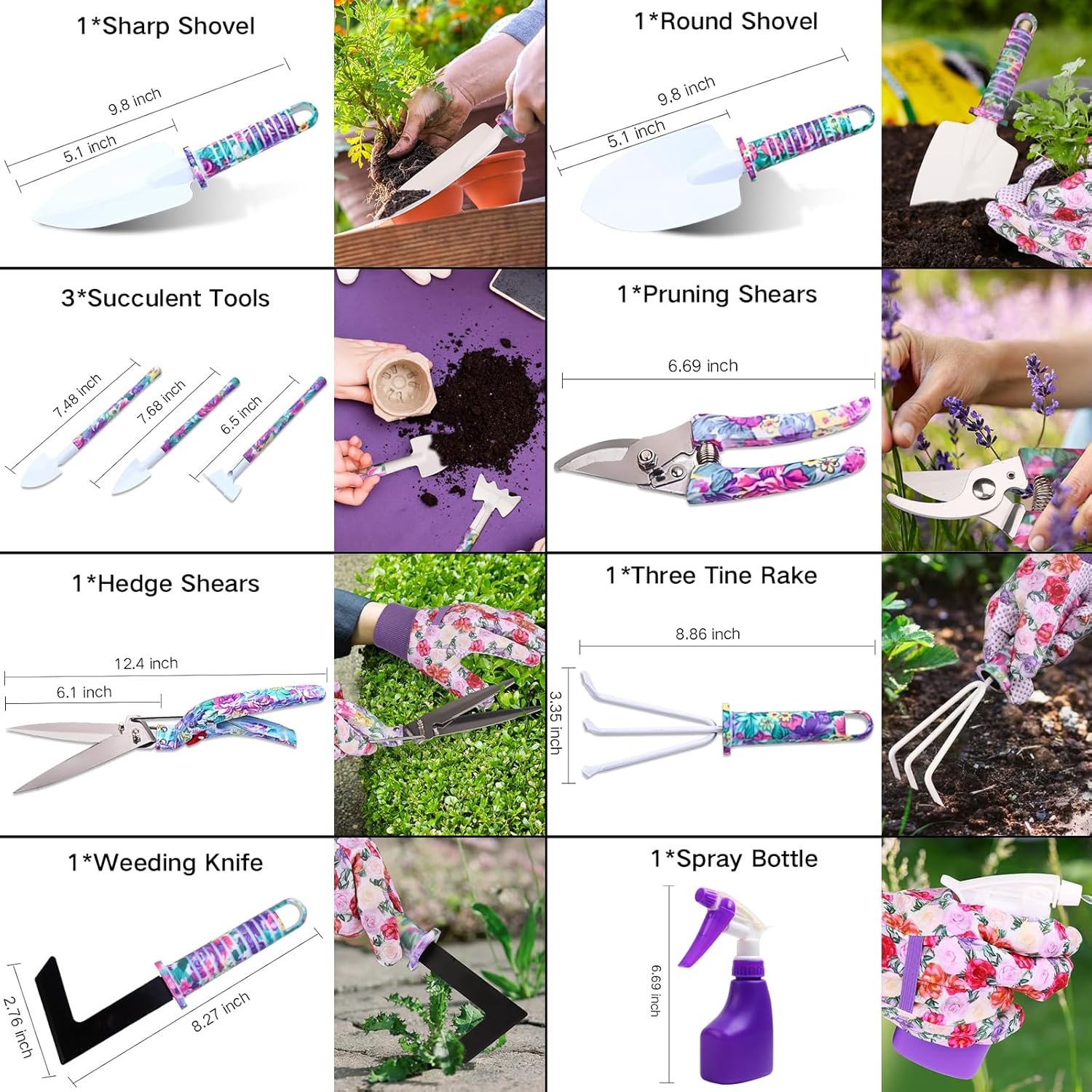
Having the right tools makes gardening fun and easy. Here are the basics for beginners:
- Hand trowel
- Pruning shears
- Gardening gloves
- Watering can or hose
- Wheelbarrow
“The right tools can transform gardening from a chore to a pleasure.” – Professional Gardener
By picking the right garden spot, knowing your growing zone, and getting good tools, you’re ready for a great garden.
Click Image for Detail

Soil Preparation and Maintenance
Starting a successful garden begins with understanding and caring for your soil. Soil preparation is key to growing healthy plants. These plants will turn your backyard into a lively green space.

Every gardener knows that great gardens start with great soil. Soil maintenance involves several important steps. These steps help create the best growing environment:
- Test your soil’s pH and nutrient levels
- Improve soil structure with organic matter
- Develop a consistent composting routine
- Implement proper drainage techniques
Composting is a big help for soil health. By recycling kitchen scraps and yard waste, you make nutrient-rich organic material. Think of composting as feeding your garden’s foundation.
“Healthy soil is the most important factor in successful gardening” – Expert Gardeners
Different soil types need different approaches to preparation. Clay soils need organic matter to improve drainage. Sandy soils benefit from more nutrients to hold moisture.
Key soil maintenance practices include:
- Regular soil aeration
- Mulching to prevent erosion
- Rotating crops to prevent nutrient depletion
- Adding compost annually
By spending time on soil preparation and maintenance, you’ll create a strong environment. Plants will thrive, ensuring a rich and beautiful garden every season.
Plant Selection and Growing Strategies
Starting a backyard garden is all about choosing the right plants and growing them well. Knowing about seasonal planting, companion planting, and gardening methods can make your garden flourish.
Seasonal Planting Guide
When it comes to planting, timing is key. A good seasonal planting plan helps your garden grow strong and healthy. Each plant has its best time to grow, depending on the weather.
- Spring: Plant cool-season crops like lettuce, spinach, and peas
- Summer: Focus on warm-season vegetables such as tomatoes, peppers, and cucumbers
- Fall: Grow root vegetables and hardy greens like kale and carrots
- Winter: Use greenhouses or indoor containers for plants
Companion Planting Benefits
Companion planting is a smart way to make your garden work better. By picking the right plants together, you can keep pests away, improve soil, and make your crops healthier.
| Plant Pair | Benefits |
|---|---|
| Tomatoes + Basil | Improves tomato flavor, repels insects |
| Carrots + Onions | Reduces pest interference, maximizes space |
| Beans + Corn | Nitrogen fixation, natural support structure |
Container vs. Ground Planting
Deciding between container gardening and planting in the ground depends on your space and goals. Both methods have their own benefits for growing plants.
“The right planting method can make the difference between a struggling garden and a bountiful harvest.” – Gardening Expert
- Container Gardening: Great for small spaces, better soil control, easy to move
- Ground Planting: Allows deeper roots, more natural interaction
Pest Control and Disease Management

Successful backyard gardening needs a proactive approach to pest control and disease management. Organic gardening offers sustainable solutions that protect plants and the environment.
“Prevention is always better than cure in garden health management.”
Knowing common garden challenges helps gardeners develop effective pest control strategies. Integrated pest management uses natural methods to reduce chemical use.
- Identify pest symptoms early
- Promote beneficial insect populations
- Use companion planting techniques
- Maintain garden hygiene
Natural pest control methods can greatly reduce disease risks in your garden. Homemade organic solutions are strong alternatives to synthetic pesticides.
| Pest Problem | Organic Solution | Effectiveness |
|---|---|---|
| Aphids | Neem oil spray | High |
| Fungal diseases | Baking soda solution | Medium |
| Slug invasion | Diatomaceous earth | High |
Crop rotation is key in disease management. Changing plant locations each season disrupts pest life cycles and reduces soil-borne disease risks.
Implementing these strategies creates a balanced ecosystem that naturally supports plant health and resilience.
Conclusion
Backyard gardening success is within reach for anyone willing to learn and experiment. Your journey starts with understanding sustainable gardening and solid garden planning. Each seed you plant is a chance to grow food and skills, and connect with nature.
Starting small helps you build confidence and learn. Whether it’s herbs in containers or a full vegetable garden, patience and effort are key. Sustainable gardening practices make your green space thrive, giving you fresh produce and supporting local ecosystems.
Gardening is a continuous learning journey. Each season brings new challenges and chances to grow. By using garden planning techniques and staying curious, you’ll learn more about plant care, soil health, and ecological balance.
Your backyard garden can be more than a source of fresh veggies. It’s a place for relaxation, learning about nature, and helping the environment. Take the first step, get your hands dirty, and watch your gardening skills grow.